
Reject a clean, shiny, sanded-down life. Listen to filth. It’ll set you free.
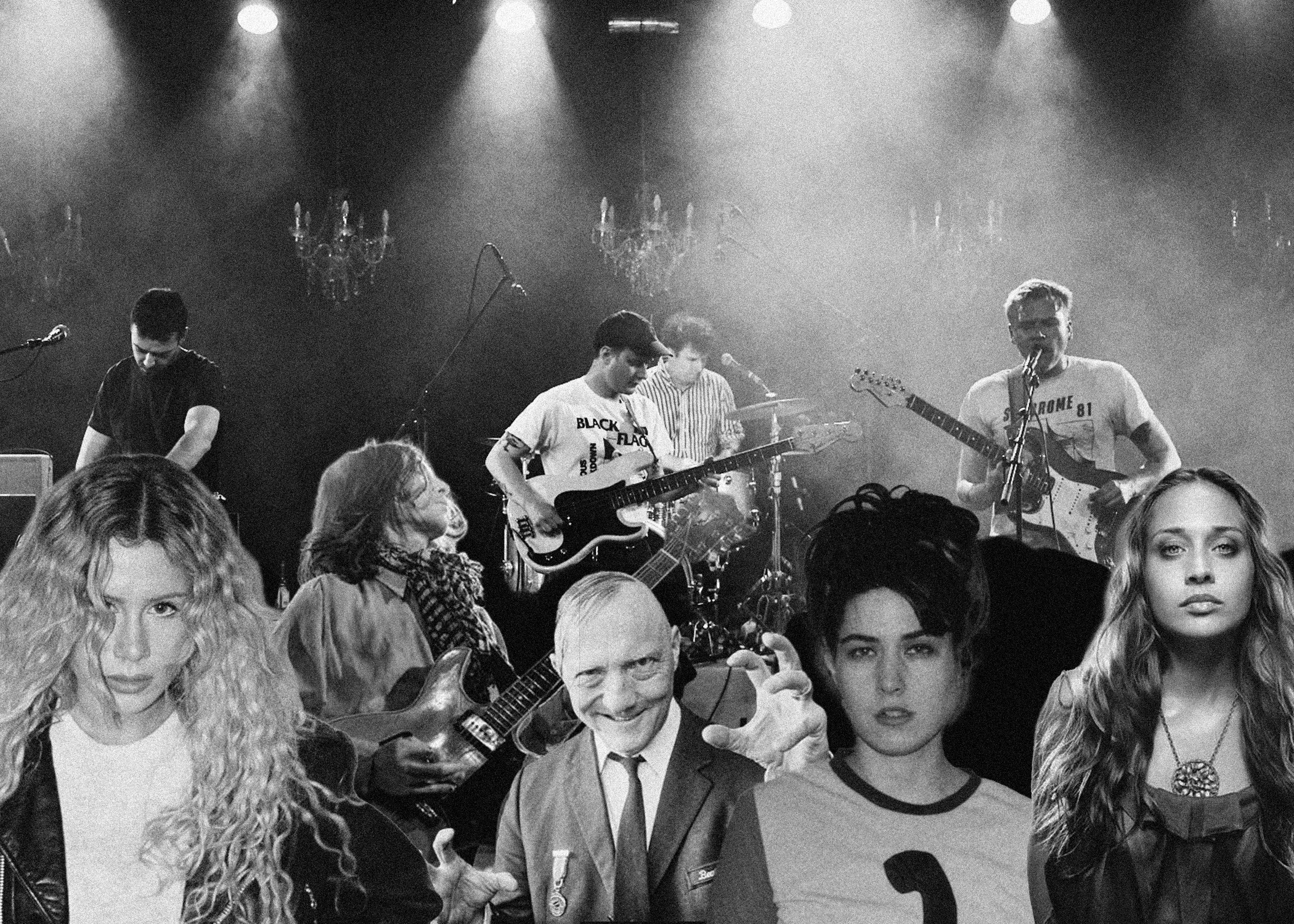
collage by Arjun Bhakoo.
What is filth? Filth is eating an orange on the bus and letting the juice run between your fingers because your hands were dirty anyway. Filth is the salt on your cheeks after the nights you can’t quite remember and the days you can’t forget. Filth is sex. Filth is virtue. Filth is profanity. Filth is a declaration of love in a rose garden, raw and thorny and dripping with blood. Filth is the skirt they tell you is too short and the skirt they tell you is too long. Filth is sweat and filth is the salted ocean spray that curls your hair ever so slightly.
Filth is the ephemeral. It’s everything which is there one moment and gone the next—the most human moments of our lives. Filth is our most radical connection to the earth, to each other, and to our freedom. It is a rejection of the societally-imposed confines of the human form. Fiona Apple wrestles with this idea when she sings “And I know when I go/All my particles disband and disperse/And I'll be back in the pulse,” (“I Want You to Love Me”). Apple pleads for her listener to understand that someday we will leave these bodies behind, and find ourselves well and truly “back in the pulse,” but until then each and every one of us is consumed by desire. Not to love and be loved, but the desire to be free enough to crave it without the hot sun of shame beating down on our necks. Filth is personal freedom’s terra incognita. The blank edges of the map, waiting to be filled in. Filth is the final frontier of rebellion. We should all be a little bit (or a lot) filthier. Music can teach us how. Take “New Radio” by 90’s punk band Bikini Kill for example. The song is a jam-packed minute and a half that encapsulates the band’s iconic taboo-smashing, unafraid, feminist sprit:
The gaps in teeth, the dirty nails
Baby boy, you can't kill what's fuckin' real
Turn that song down, turn the static up
Come here baby, let me kiss you like a boy does
…
Let's wipe our cum on my parents' bed
Come on
Similar scandalizing images swim throughout Bikini Kill's discography, especially in songs like “Carnival,” “DemiRep,” “Double Dare Ya,” and “White Boy.” Bikini Kill’s music came of age with third-wave feminism. The rage which fueled that movement became radioactive in their hard-hitting lyrics and serrated sound, transforming everything it touches. The band’s lead singer Kathleen Hanna, brings that energy not just to Bikini Kill, but also to her subsequent project Le Tigre. Throughout both, her lyrics provide a roadmap to a truly feminist understanding of what freedom means. We can all learn a thing or two from it.
Flashing forward a decade or two, we find ourselves in the present culture that idolizes the quiet sexuality and quiet luxury of the effortlessly chic girlboss. In the world of the clean-girl aesthetic and botox injections four times a year until the day you die, we need filth now more than ever. The rising popularity of artists like Slayyyter is proof of that. While Slayyter has been making music for years, just recently has her third studio album Worst Girl in America set her on a clear path to stardom. In particular, her songs “CRANK” and “BEAT UP CHANEL$” have resonated with millions. Both of these tracks are on the cutting edge of a modern celebration of filth. They encourage the listener to let go of all inhibitions and live life to the fullest. They do not concern themselves with respectability. “CRANK” reveres the art of losing oneself in the pursuit of life’s pleasures. Similarly, “BEAT UP CHANELS” is Slayyyter’s staunch refusal to diminish the forces of her desire.
There is a little-known record label keeping filth alive: Voodoo Rhythm Records. They produce primary blues, garage rock, and punk rock projects. The Swiss label is headed by the self-titled Reverend Beat Man, a musician and DJ who preaches the sound of “primitive rock and roll” and “blues trash.” At the heart of these self-coined subgenres is a prioritization of rock and rolls’ most essential roots: grit, flare, and the simple pursuit of raw emotion. He cites visionary blues legends like Screamin’ Jay Hawkins, Howlin’ Wolf, and Robert Johnson as some of his biggest influences. The Reverend credits a hallucination where-in Hawkins and Johnson told him he “had to preach” as the catalyst to his music career (Interview by Blues in London ). He doesn’t disappoint—the music his label promotes rings true as a modern evolution of Hawkins’ trail-blazing shock-rock persona and persuasively discordant vocals. The Rock and Roll Hall of Fame endorses Johnson,”the first ever rock star,” with the sentence “His playing was to die for—or at the very least, sell your soul to Satan for” (Rock & Roll Hall of Fame).
There would be no rock and roll at all without the delta blues, and Voodoo Rhythm's trademark “primitive rock and roll” style is both a musical, but also spiritual evolution of the predecessors it so devotedly celebrates. The echoes of the quintessential delta blues slide-guitar can be heard in many Voodoo Rhythm tracks. Albums like King Khan and the Shrines’ Three Hairs and You’re Mine, released by Voodoo Rhythm in 2001, beautifully demonstrate how modern garage rock artists are carrying on the torch lit by the legends on the 20th century blues. Not a single track Voodoo Rhythm has ever released sounds polished or smooth. They don’t need to. The vocals are fried and the instruments are jagged, like ripping a chunk out of a loaf of bread with your bare hands, and washing it down with warm beer. The label describes one of their most recent releases, the fabulously chaotic debut EP Pädagogisch Wertvoll (Pedagogically valuable) by Blaskapelle Chancentod, as “post-punk for people who prefer stumbling to marching … melancholy meets hangover – and somewhere in between, life dances when no one's looking. Like rusty love letters from nowhere. Like your broken radio alarm clock. It's the dirt under the fingernails of poetry” (Voodoo Rhythm Records Catalog). If you’re looking for sugary clean-shaven niceties, you’ll come up empty at Voodoo Rhythm. But the ragged, vulnerable, lust for life of unkempt “primitive rock and roll” will soak into your skin like the first drop of desert rain.
We should all be listening to more music that pushes us to “believe in the radical possibilities of pleasure” (“I Like Fucking” by Bikini Kill). Filth demands honesty. It demands that we honor the intimacy of human connection without superimposing the easy glamour of social conformity. Reject a clean, shiny, sanded-down life. Listen to filth. It’ll set you free.
edit by Madison Esrey.
collage by Arjun Bhakoo.