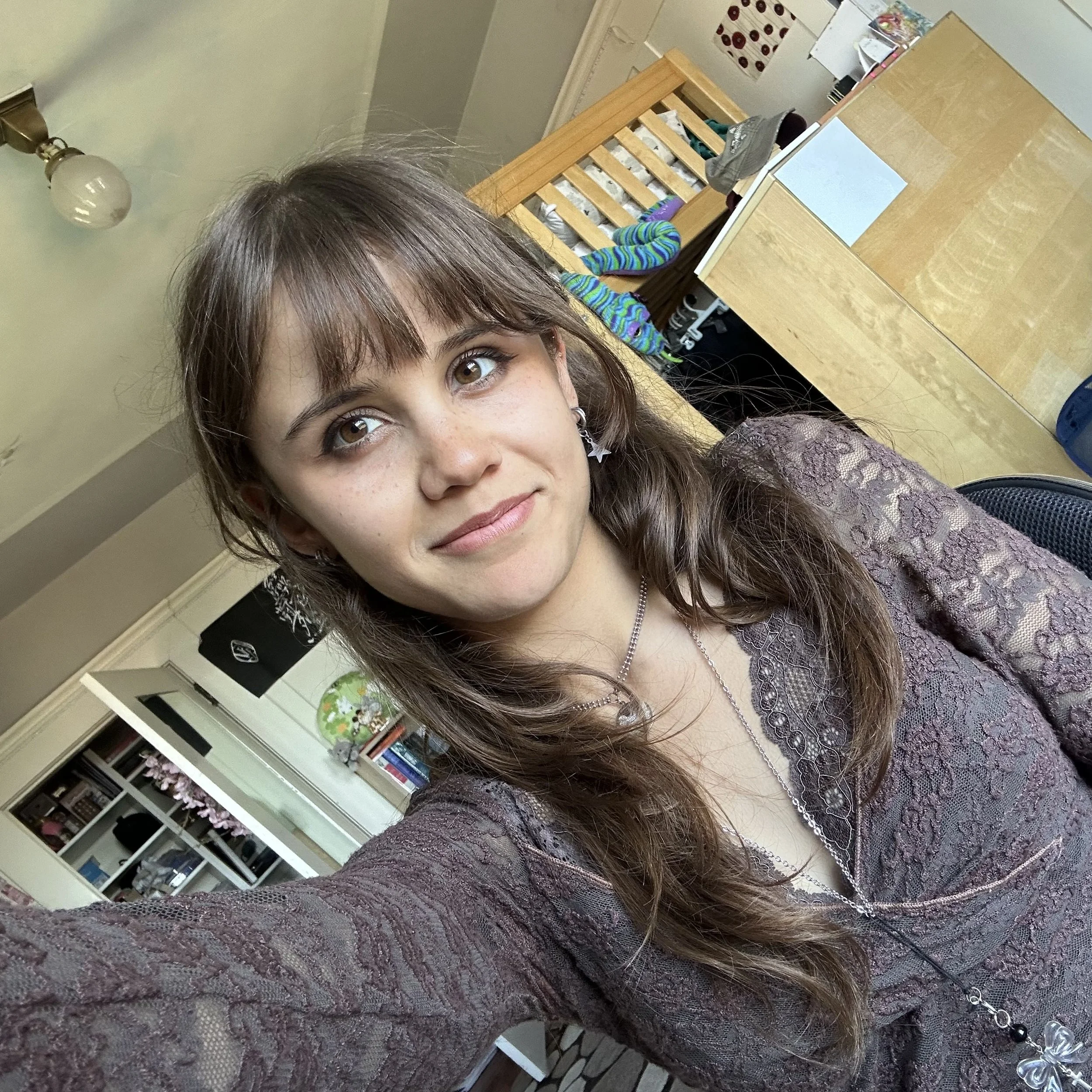
Released on March 13th, Claire Dickson’s newest album is a refreshing take on jazz, nature, and the balancing act of life, music, and poetry.
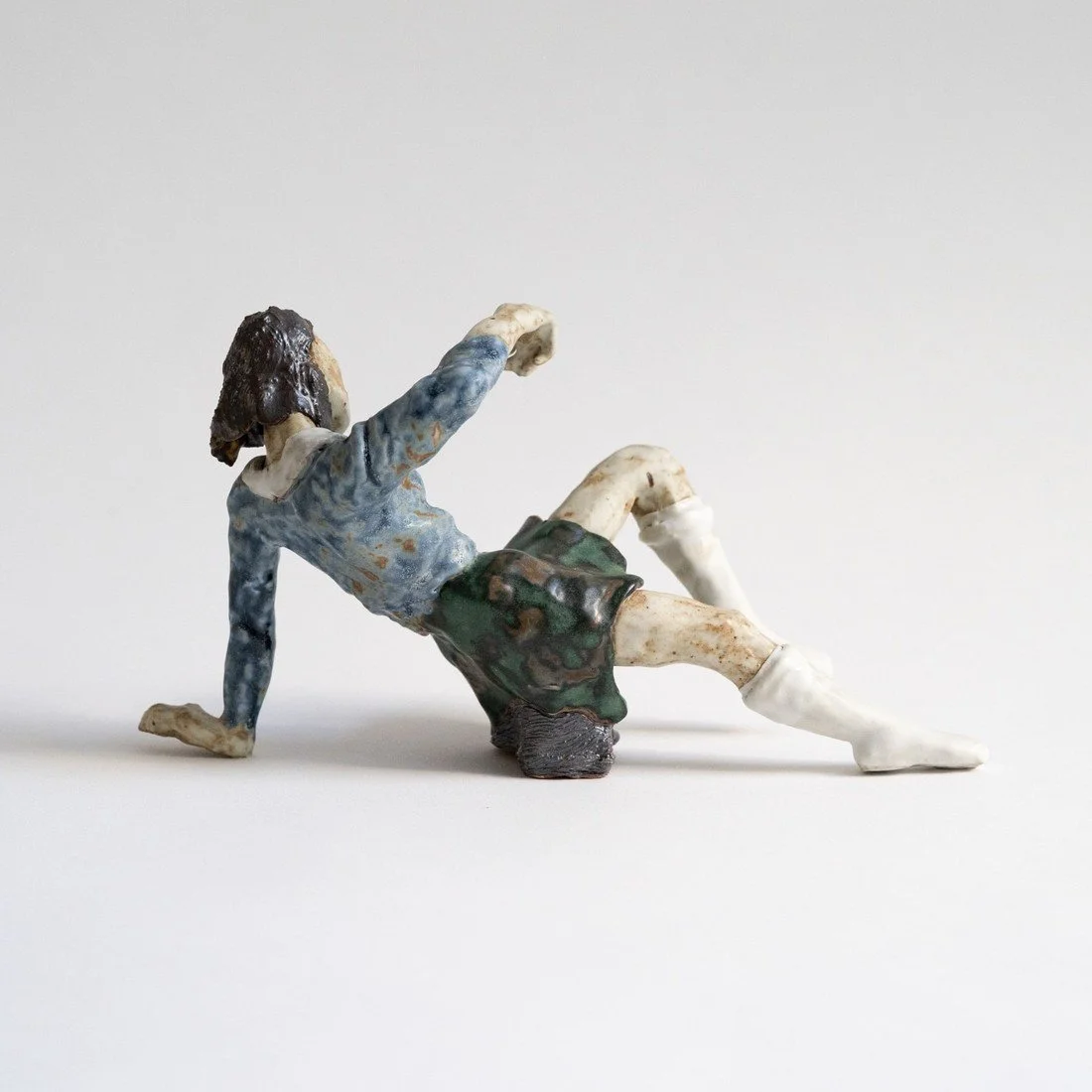
In a world torn between sharp lyricism but neglected melodies and enticing instrumentation but elementary lyrics, Claire Dickson’s Balance perfectly balances meticulous but free music and secretive but stark poetry. While the album’s lyrics are more thematically than narratively connected and do not immediately flag the album as narrative, each song on Balance weaves an intricate environment that makes the album flow and fluctuate like a story.
Dickson developed Balance over three years through an organic process of returning to songs on a daily basis and improvising with them. This jazz-adjacent approach is most detectable in each song’s unique structure: instead of incorporating a traditional verse/chorus/bridge structure, each song varies with periods of repetition, one-off melodies, and most interestingly, punctuative silence. This method of building through improvisation reads as more similar to visual arts practices such as abstract and conceptual painting than traditional music recording or even live jazz, where improvisation is often built around a standard. Dickson, like a painter, works in vertical layers instead of horizontal frames, dubbed by Dickson as “bones” (rhythm, structure), “flesh” (ambience, harmonics), and what I would call “blood” (what Dickson refers to as simply her vocals). Dickson’s songs thus feel more like exploring an environment than moving through time.
Dickson’s intuitive improvisation, environment-invoking melodies, and lyrical secrecy serve as a great introduction to jazz for lovers of post-punk and poignant electronic pop artists such as the Cocteau Twins, Beach House, Lush, The Hellp, and Caroline Polachek. Balance is a refreshing bridge between more accessible mainstream music and the experimental and collaborative nature of jazz, owing to Dickson’s alternative electronic approach that differs from the typical mid-century pop and musical theatre angle of artists such as Laufey.
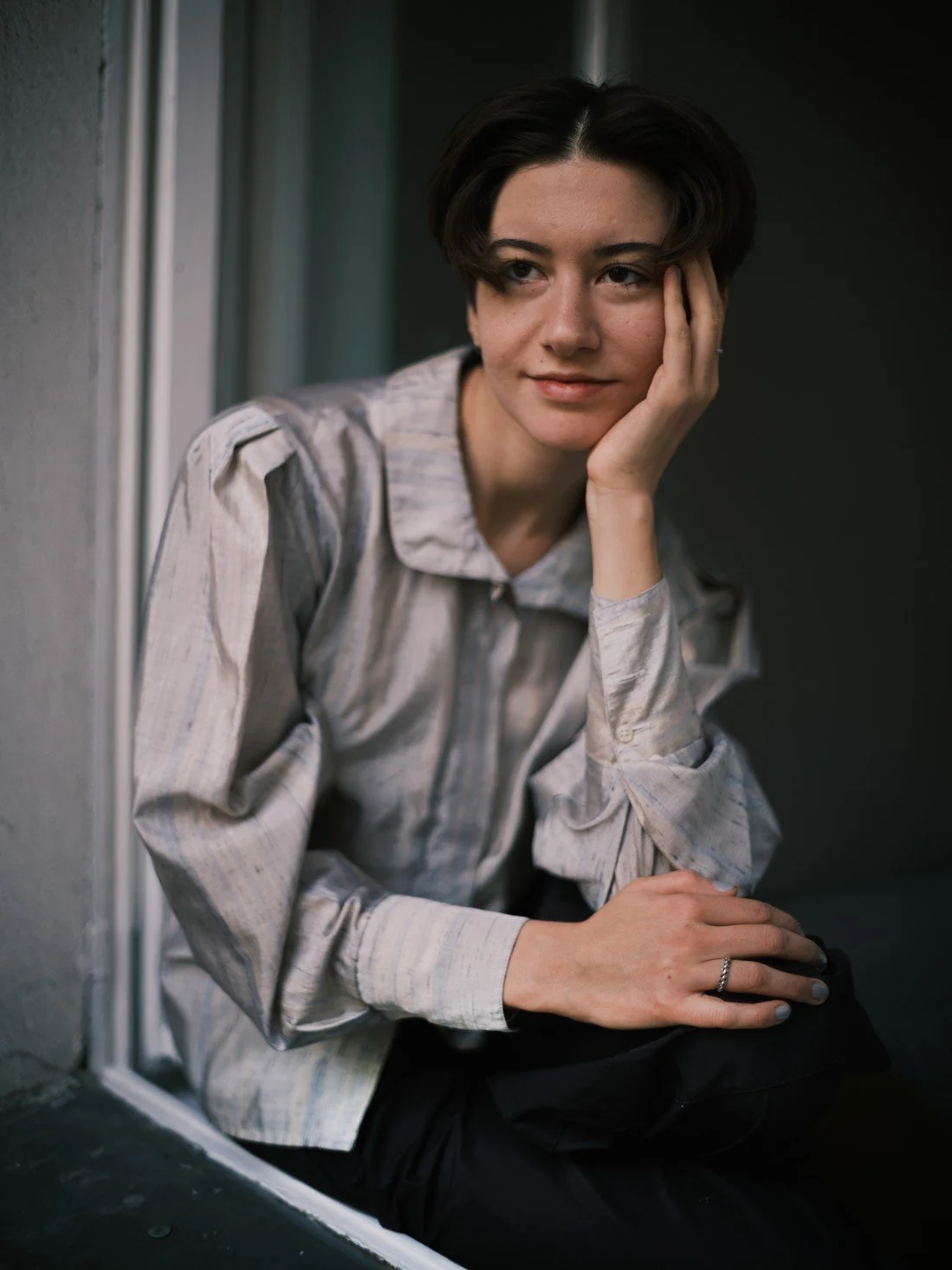
photo by Max Sher.
The opening track “Balance” begins with empty space and instrumental flairs chirping like birds and small animals in a wide open grass field in the morning. The sharp instrumentation builds like raindrops sliding down a window and picking up enough water to form a perfectly dynamic orb of synth sound. Meditative but sharp, like a cross between Laura Pramuk and Caroline Polachek, “Balance” is bright and natural, distinct against a world of music and life that is increasingly chaotic and polluted. Like a warm cup of coffee, Dickson’s vocals invite a joyful focus.
Revolving into “Doors,” the bright atmospheric sound continues with added textural details imitating wind moving through tall grass and water trickling down sharp rocks. As the layers of sound build like clouds forming heavy with rain, the sound seems to birth the listener into a frenzied first drizzle represented by the tinkling of a piano. The lyrics add to the building pace of the song, like running barefoot through mud, grass, and rain, and while their delivery is enough to round out the ambiance of the piece, their recollection of moving through doors underscores the album’s dedication to exploring different kinds of balances, in this case, cycles and breaks in them.
“Sign” begins with an explosive sprint that’s more upbeat and poppy. A cacophony of synths, each with their own personality, grappling between suffocating the listener in mud and restoring them with clear and pouring rain. Each distinct portion of the song feels like entering into a different section of forest between dense canopy and meadows of open sky, root caves and small white flowers. As Dickson sings “I sharpen my heart’s edge,” a rich and moody tone overcomes the song—dark but still natural and smelling of wet leaves, distinct among the sugary sweet pop and cigarette-ashen rock of today.
Listeners are released from the forest into a waterfall on “Waterfeel.” Percussive sounds like ripping paper and tinkling glassware ground the song in a physical environment while a meditative synth is punctuated by the twang and tinkle of bells and violins. Dickson’s soft and steady voice anchors the fluctuating water until the vocals fade away, replaced by more violins flitting like playful dragonflies above the rushing water. A bass synth jumps like a bass (fish) out of water and disappears. The repetition of the background synth starts to feel circular and as instruments come in and out they begin to form a circle of insects flying and fish swimming in the circular current. Meditative but free, “Waterfeel” allows the listener to experience childlike joy while feeling centered and anchored.
“Stair” begins energetically with synths and violins moving back and forth like the grain of wood, and piano trills moving forever upwards like an ascending staircase. It’s unclear whether the motion up the stairs is a sprint or endurance run as Dickson’s vocals fracture into a beautiful chorus and return to their singular upwards motion. As more strings are strummed, plucked, and added to the run, Dickson repeatedly asks “How far? How far? How far?” Balance’s balance between repetitive endurance and sparking sprints is especially clear on the upward run of “Stairs.”
Distinctly slower and moodier in tone from most of the album, “Hurt Me” feels like the sun setting over a cabin in the woods. When Dickson sings “Velvet hands to hold,” a dark but lush yearning begins to permeate the tangy bass tones, crystalline sopranos, and weighted drums, as the sun’s last glows leave the horizon. While lyrics like “Tell me every painful truth, punish me and hurt me” descend further into the darkness, they are lifted up by the earlier drums and soprano synths that sparkle like stars in the night, or a chandelier in a dark ballroom. Like in the rest of the album, Dickson contrasts repetition and improvisation, this time repeating lyrics with her voice while the background fluctuates.
Immediately bright, “Eyelid” is the feeling of suddenly waking up from a night of unfulfilled desire with intro melodies sounding almost like a morning alarm. Even in the first few moments, the song shines as a clear culmination of Balance which has continuously explored ideas of darkness and lightness, improvisation and repetition, sadness and joy. Though it keeps with the heavier lyrics of “Hurt Me,” this final track soothes with vibrating synths that sound like waves crashing on a distant beach. And as Dickson admits “I didn’t even say his name,” the percussion vibrates in and out and the synths scatter softly in longing. Now, the return of a bass section and confident piano seems to reprieve once more, only to be ripped apart by Dickson’s question: “Do I exist?” Dickson creates the perfect balance between existential despair and soothing comfort—two feelings that exist elsewhere in the album as singular. Like an eyelid that darkens the eye but still retains residue of the bright lights it experienced when it was open, Dickson plays with the idea of balance, whether it is pure poles of two kinds or one melded middle, or somewhere in between. As Dickson asks again “Do I exist?” the song fills and blends and repeats, gradually immersing the listener into a meditative state that combines all the juxtapositions of the album. Balance comes full circle.
edited by Ezra Ellenbogen.
photo by Max Sher.
album artwork believed to belong to either the publisher of the work or the artist.