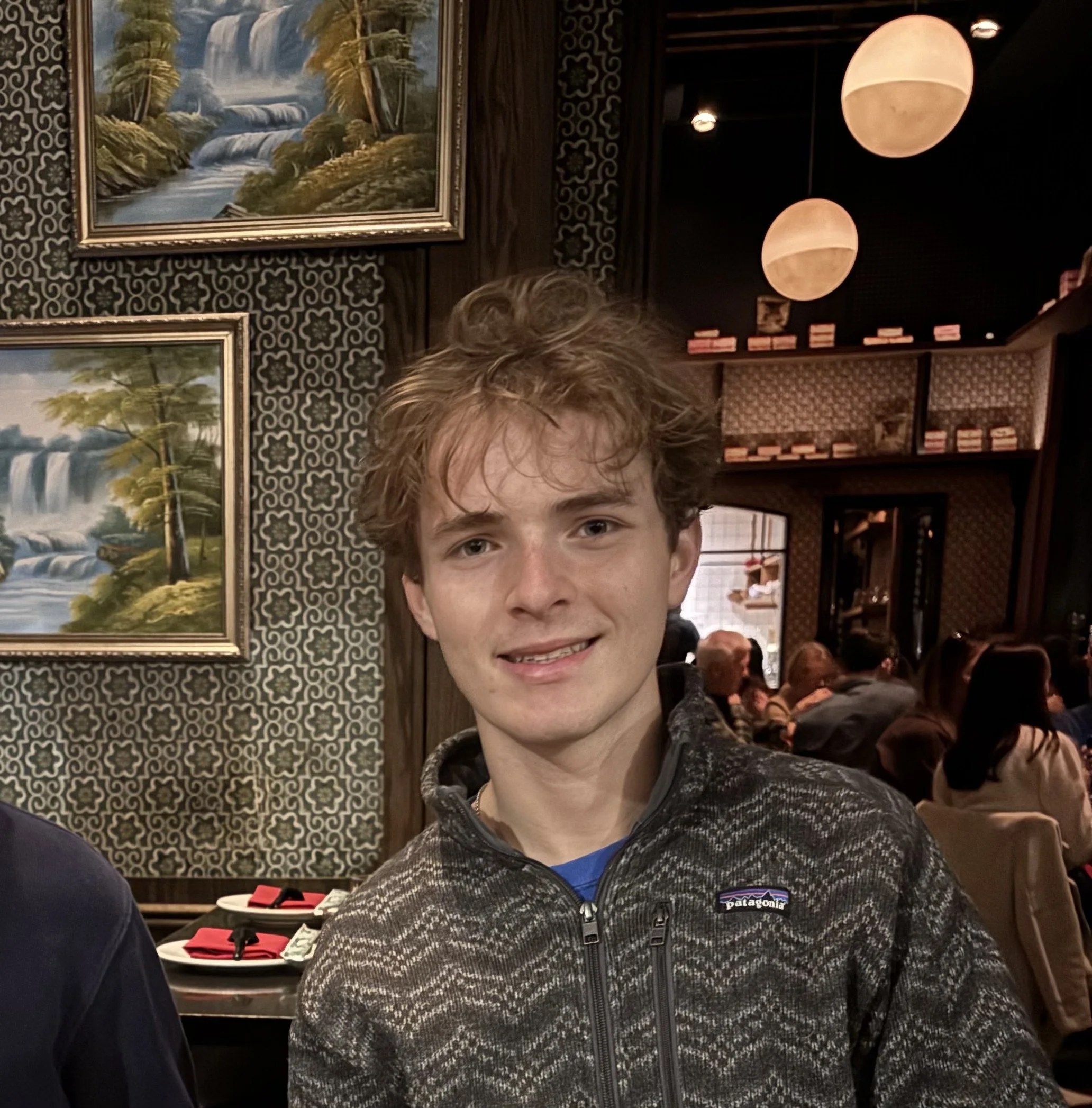
On the many names of Yung Lean.
Jonatan Leandoer Håstad's graduation album.
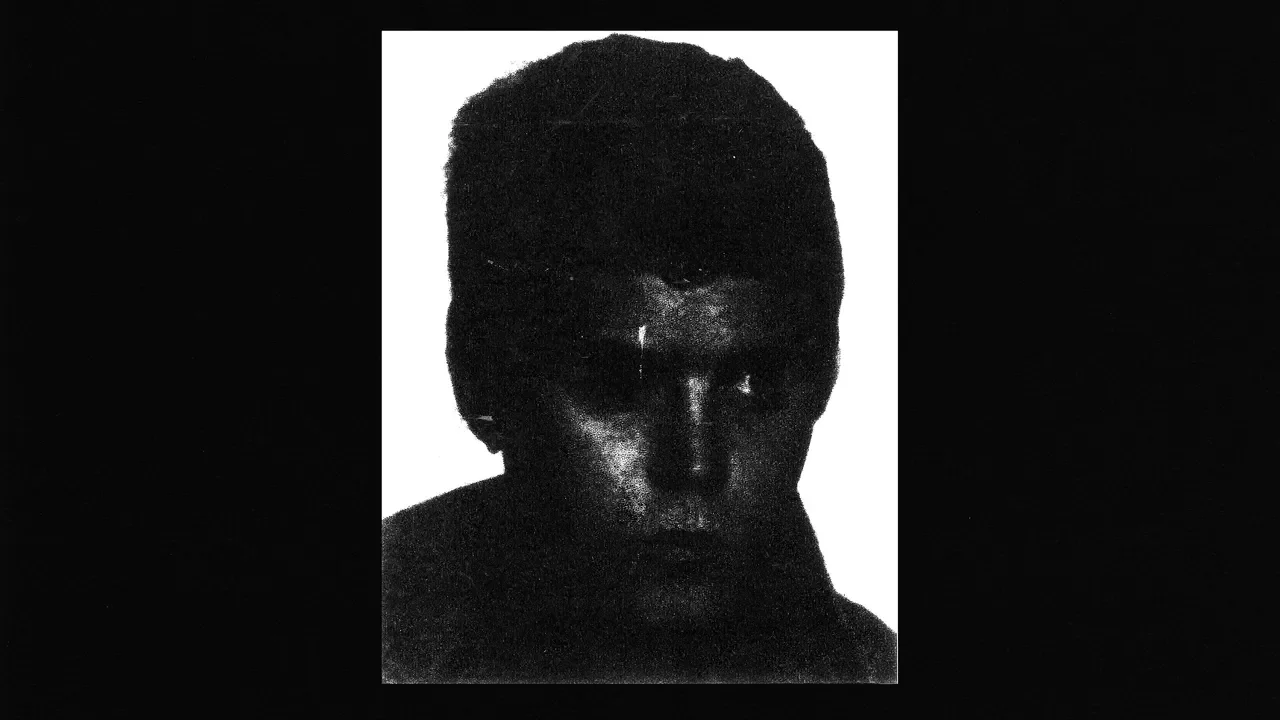
In Lady Windermere’s Fan, Oscar Wilde writes: “We are all in the gutter, but some of us are looking at the stars.” On his Instagram story, Yung Lean declares that this quote is how his new album Jonatan feels. His process, laced with heartbreak and years of frustration, was “the first album where [Lean] felt truly lost” and the product ended as something that “means nothing and everything to [Lean].”
Young and alive, Yung Lean was revealed to the world as a sixteen-year-old rapping about Pokémon and Arizona Iced Tea. Nobody knew whether to take him seriously, but he knew that his music wasn’t a gimmick. Raised by a poet father and a diplomat mother, he grew up around inspiration. He says that his early raps "were a byproduct of growing up on the Internet, where Glo Gang deep cuts and Lou Reed albums were both just a search bar away.”
As he grew more famous, he gave in to the usual suspects: money, drugs, and Miami. While recording Warlord, his second studio album, in Miami, he became heavily addicted to Xanax, marijuana, cocaine, and even his own namesake, Lean. Kept awake by the drugs, he started to write “a book in his iPhone called Heaven that retold childhood nightmares about people turning into rats—the animal sign of his Chinese Zodiac.” Soon, he overdosed and was hospitalized. His manager, Barron Machat, died later that night speeding to bring Lean a hard drive—Lean had called from the psych ward, paranoid about his files. Lean didn’t recognize his father at first when he came to visit him, but the older Leandoer ended up helping him recover in the Swedish countryside following the incident. In recovery, he became more connected with his other creative urges—writing music for ballets and founding Död Mark, a punk band with his friend Yung Gud.
He decided it was best to distance himself from the Yung Lean moniker—deeming it too emotionally charged. He created Jonatan Leandoer127, the number being his postal code in Skärholmen where he was living. In 2016, he released Psychopath Ballads. These piano ballads, diaristic and raw, were a way to deal with his feelings and step into indie pop/rock. After a second hospitalization in 2017 resulted in a bipolar diagnosis, his parents flew in and read him a list of famous bipolar musicians: Nina Simone, Aretha Franklin. He knew he wasn’t living this alone, that he was part of a great legacy of artists who found a way through.
When he moved back to Stockholm, the number changed to 96, his birth year. The music that followed was similar in origin, always containing heartfelt verses about love and life, but different in execution. Nectar stretched more into indie rock and neofolk, and Blodhundar & Lullabies fleshed out his sound further.
Beyond all of this self (and sound) discovery, Yung Lean was simply growing up. Since his recovery retreat, he has participated in more rehabilitation including a week of meditating without spoken and bodily language in the Swedish forest. He has now been sober for over two years, which signifies not only maturity but a divergence from the culture he entered as a teenager.
In 2025, after his longest time between albums since he was sixteen, he released Jonatan. He replaced his usual producers with Rami Dawood with his acoustic prowess, igniting a clearly different center of gravity on this record. Released under the Yung Lean label, it clasps the personal, raw style of jonatan leandoer96 to his larger audience. But instead of a continuation of the project, it feels like a graduation from it. He brings all his musical inspiration to the record, creating as he calls “a bit like, uncle album. Old man type s—.” It fits so well into who Lean is and how he has grown that I can’t see this album being called anything else.
The album opens, through heavy electronic distortion, with someone calling “Jonatan”. It closes the same way. What sits in between isn’t a synthesis of his two projects so much as something that makes the distinction feel beside the point. The album feels like a return to home, a piece of both what he once was and his current state of mind.
He recorded Jonatan through multiple breakups and three years of creative uncertainty: more lost, he said, than he'd ever been making a record. That's still the gutter, just a different part of it. But he made the album anyway, and in doing so found what he was looking for: not a way out of the struggle, but a way to mean something inside it. He called it "air," "nothing," and "as close to God as we get." The stars are this—an album called by his own name, made on his own terms, evidence that you can be everything and nothing at once and still be looking up.
edited by Alex Fuentes.
album artwork believed to belong to either the publisher of the work or the artist.